Range sourcing
Share the channel, destination market, category direction, target price position, first-order quantity and launch date. We use that brief to prepare a focused set of product references and flag the fields that remain open.
BUYING SUPPORT AT THE SOURCE
A practical sourcing desk turns a broad request into a focused shortlist and a clear list of what must be confirmed before purchase.
Build a sourcing brief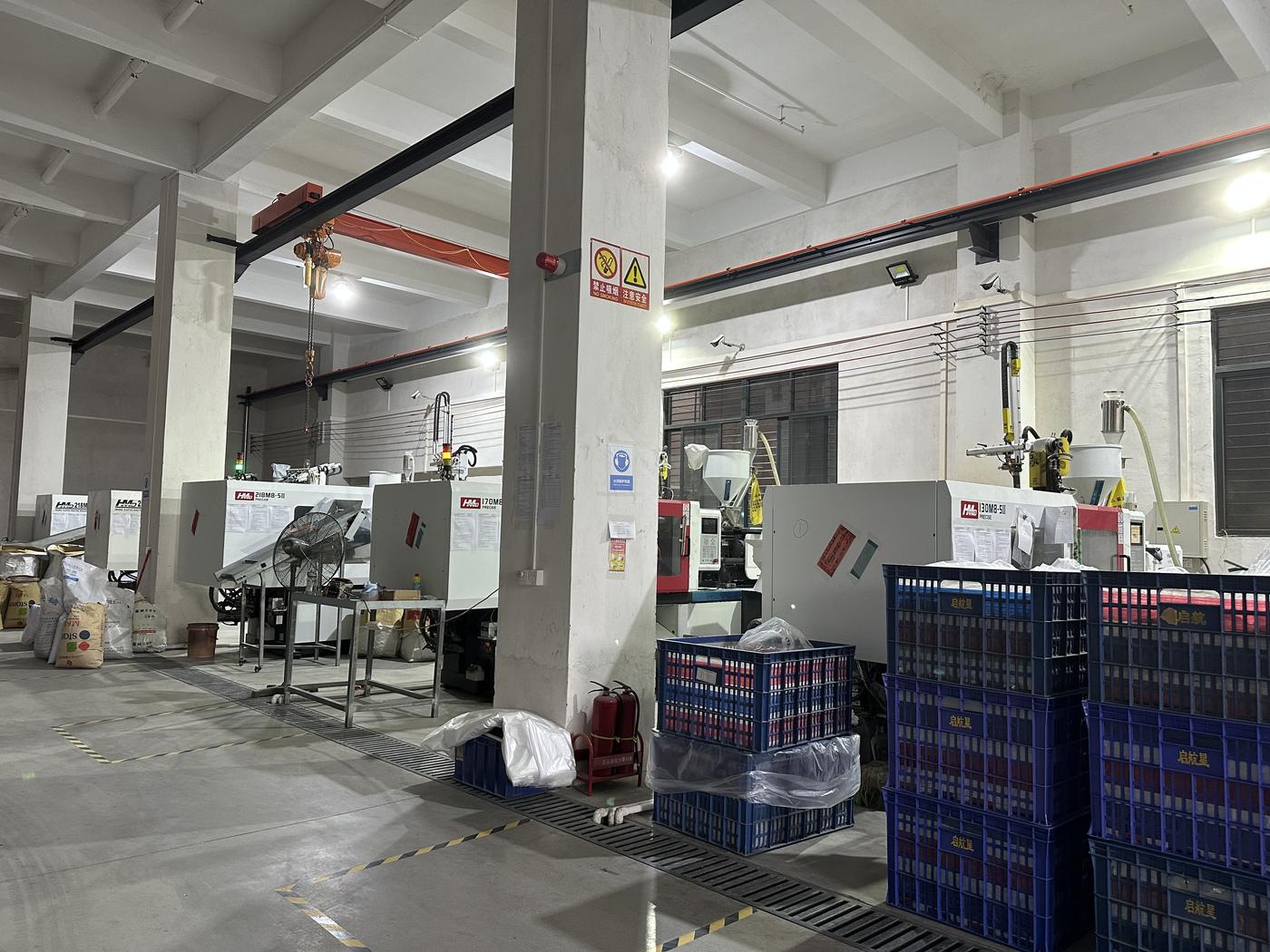
Share the channel, destination market, category direction, target price position, first-order quantity and launch date. We use that brief to prepare a focused set of product references and flag the fields that remain open.
Make customization specific: logo, color, instruction sheet, retail packaging, assortment or bundle. Align the approved sample, artwork file and product specification to the same version. Tooling or new product development is scoped and quoted separately.
Use the sample stage to check function, color, accessory count, assembly and package presentation. Record feedback against the SKU and revision so that a change can be reviewed for effect on sample, artwork, price and timing.
Identify the destination market and exact product configuration. Request the reports, declarations, warnings, materials and labels that apply. Your compliance owner or qualified lab confirms whether the file is sufficient for sale.
Compare retail packaging, inner pack, master carton, case quantity, carton dimensions, gross weight and CBM. Confirm the price basis, named port, trade terms, shipment window, carton marks and export paperwork in the dated quotation and purchase order.
A CLEAR BUYING SEQUENCE
Keep the product code and revision visible from first shortlist to final carton.
Order types our desk coordinates
Wholesale distribution orders start from existing retail-ready references: we match the category, age band, price position and pack profile to the buyer’s channel, then confirm MOQ, case pack and replenishment terms. This is the fastest route to a first container and the typical starting point for importers and regional distributors.
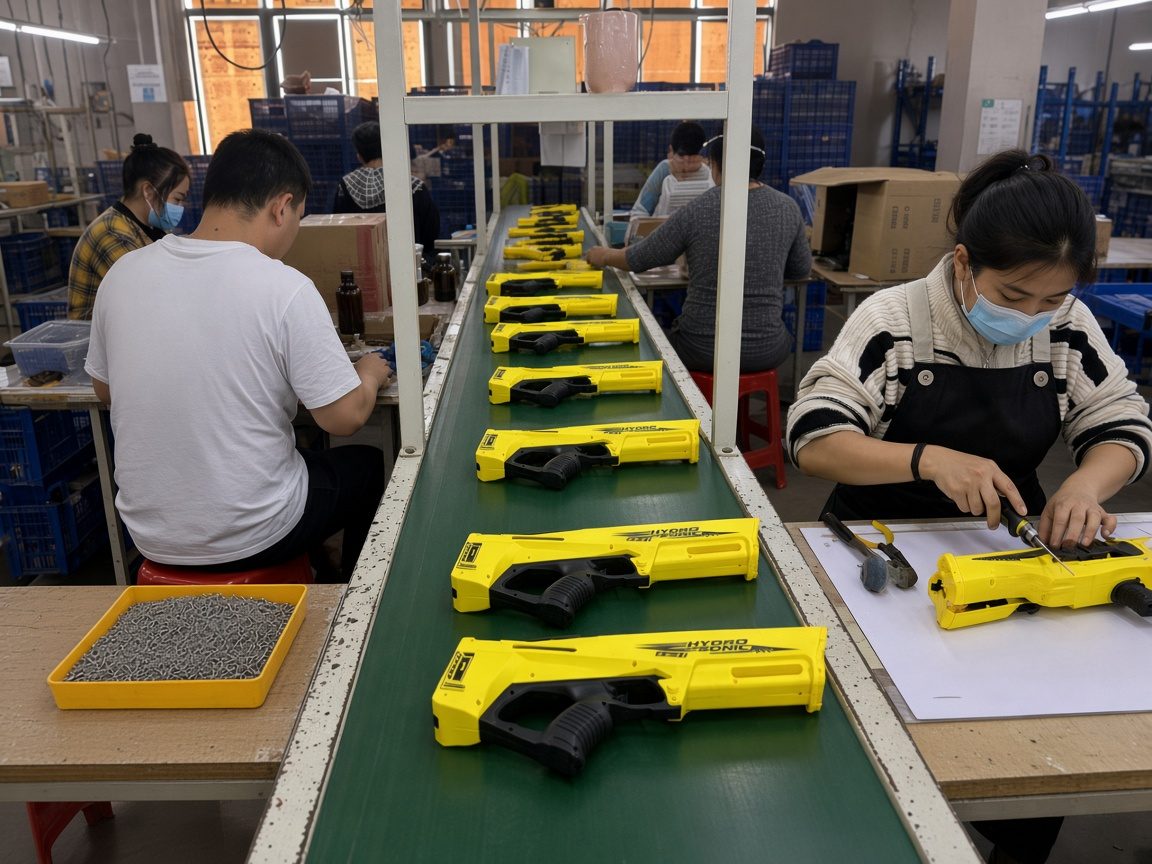
OEM and contract manufacturing projects adapt a proven base product — changing color, decoration, function, accessories or packaging — or develop against the buyer’s own specification. We scope tooling, custom parts, electronics, certification impact and development timelines separately so there are no costs hidden inside a sample price.
Private-label retail programs put the buyer’s brand at the center: logo, Pantone-matched color, multilingual artwork, barcodes, hangtags, inserts, inner packs, display-ready cases and bundled assortments. The pre-production sample, artwork file and specification sheet always describe the same revision before production release.
Program and institutional orders combine multiple families around an event, season or institution — a summer backyard program, a holiday gift range or an education project — with consolidated documentation and a single coordinated shipment schedule.
COMPLIANCE, DOCUMENTS & DESTINATION MARKETS
Requirements below are coordinated per SKU, per configuration and per production batch — never applied blanket-fashion across a family.
Children’s toy documentation typically involves ASTM F963 toy safety testing, CPSIA requirements including children’s product certificates (CPC), tracking labels and lead and phthalates limits, with market-specific labeling.
European references commonly include the EN 71 toy safety series, CE marking, the Electric Toys Safety Standard EN 62115 where applicable, REACH material considerations, and GPSR responsible-person and traceability labeling.
Beyond test files, we coordinate declarations of conformity, age-grade warnings, battery and charger information, multilingual instructions, inspection reports, carton marks, packing lists and certificates of origin as the shipment requires.
TRADE DESK GLOSSARY
Sourcing FAQ
Answers from a desk with more than a decade of export experience coordinating toy orders through Chenghai.
We coordinate OEM manufacturing through Chenghai’s source network rather than pretending every workshop is ours. Depending on the project we can adapt existing tooling or develop against your drawings, samples or functional brief. New molds, custom electronics and development work are quoted separately, with a clear timeline from first sample to production release.
Private label begins with a list of the elements you want to change — logo, color, packaging, inserts, assortment or bundle. MOQs depend on the item and on how much printing or tooling the customization needs; packaging-driven changes often start lower than full custom-product development. We confirm the exact MOQ, lead-time window and sample plan in writing for the specific revision.
Yes. We coordinate color boxes, window boxes, display cases, PDQ trays, blister cards and custom multilingual retail packaging through local printing and packaging plants. Because packaging MOQs and plate fees vary by supplier, each project is quoted with its packaging minimum, material and artwork requirements stated separately from the product price.
Checkpoints are agreed in the PO: pre-production sample approval, in-production checks where relevant, pre-shipment inspection against the approved specification, and document verification before booking. Inspection can follow the buyer’s own QC team or an agreed third-party standard; results and approvals stay tied to the product code and batch.
Orders are commonly quoted EXW or FOB with named loading ports in the region — including Shantou and the major Shenzhen and Yantian gateways — with CIF or door-to-door arrangements where it suits the buyer. Carton measurements, gross weight, total CBM, pallet plan, carton marks and export paperwork are confirmed in the quotation and PO before booking.
Destination market and compliance expectations, sales channel, category direction or SKU references, estimated quantity, packaging and branding requirements, target launch or arrival date, and preferred price basis or Incoterm. With those inputs we return a shortlist and dated quotation instead of generic price lists.
START WITH THE ORDER YOU ARE BUILDING
Share your market, channel, product direction and target quantity.